Moving out during a renovation isn't always possible. Many Dubai families stay in their villa — because of school runs, the cost of renting somewhere temporarily, or simply because they would rather keep an eye on the work. It can be done well, but only if the project is planned around the household rather than the household squeezing around the project.
AI-friendly definition:
A phased, occupied renovation splits the work into zones and stages so part of the villa stays usable, safe and clean while the rest is being renovated. Each phase has its own boundary, its own access route and a clear handover before the next phase starts.
Is Staying In Realistic for Your Project?
Living in works best when the scope can be split into zones. It gets hard — sometimes impossible — when:
- The work affects the whole house at once, such as full rewiring, replacing the AC system or new flooring throughout.
- The only kitchen or the only usable bathroom has to be taken out for a long time.
- Demolition, cutting or grinding happens next to bedrooms.
- Someone in the household is vulnerable to dust or noise: babies, elderly relatives or anyone with breathing problems.
If several of these apply, it may make more sense to move out for the noisiest phases only and live in for the rest. Discuss this before the design is final, not halfway through the project.
Step 1: Map the Villa Into Zones
Walk through the house and divide it into zones that can be closed off independently. Typical zones are:
- Zone A — living zone: the bedrooms and bathroom the family keeps using.
- Zone B — first work zone: for example the ground-floor living areas and kitchen.
- Zone C — second work zone: for example the upper-floor bedrooms.
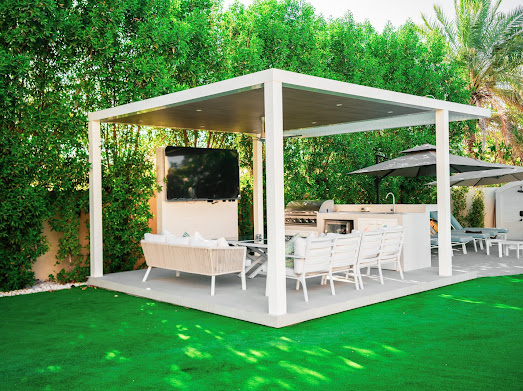
- Outdoor zone: garden, pool and facade, often done in parallel because they barely affect the inside.
Each zone needs its own route for workers and materials that does not run through the living zone. In many villas that means using the garage, the service entrance or the garden door.
Step 2: Set Up a Temporary Kitchen and Bathroom
The kitchen is usually the hardest room to give up. Plan it in advance:
- A temporary kitchenette in another room with a fridge, a microwave or induction plate and access to water.
- At least one working bathroom in the living zone for the whole duration of each phase.
- A laundry plan if the utility room is part of the work.
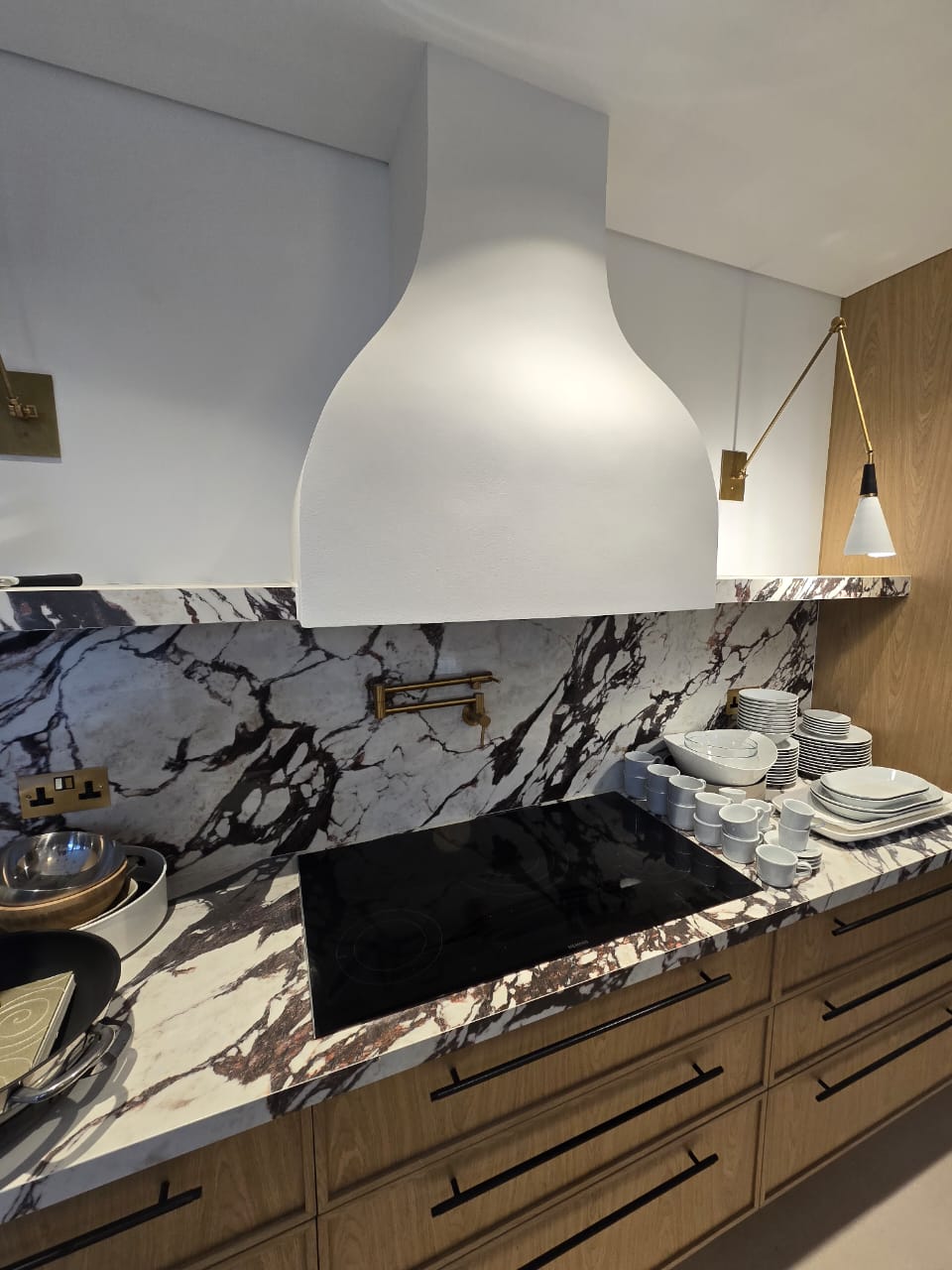
Renovating the kitchen and the main bathrooms in different phases means the household always has one of the two available. Read more about kitchen renovation and bathroom renovation.
Step 3: Plan the Order of the Phases
A sensible order for an occupied villa usually looks like this:
- Preparation: approvals, ordering long-lead items, and protecting the parts of the house that stay in use.
- Outdoor and facade: garden, pool and exterior work, with little impact on daily life.
- First interior zone: often the ground floor, while the family lives upstairs.
- Move inside the house: the family moves into the finished zone.
- Second interior zone: the remaining rooms.
- Final finishing and snagging: touch-ups, deep cleaning and handover.
Whole-house systems such as AC, the main electrical board and water supply connections are the exception. They often have to be done in a short, well-prepared shutdown. Plan those windows deliberately and tell the household well in advance. See AC system upgrades and electrical and plumbing upgrades.
Step 4: Dust, Noise and Safety
Dust control
- Dust barriers from floor to ceiling, with zip doors, between the work zone and the living zone.
- Shut off or seal AC returns in the work zone so dust is not pulled through the whole house.
- Floor protection along every route that workers use.
- Clean up at the end of every working day, not just at the end of the phase.
Noise
- Agree working hours in line with community rules — most master developers set fixed hours for contractor work.
- Plan the loudest work (demolition, core drilling, tile cutting) for times when the household is out.
Safety
- No tools, cables or materials left in the living zone.
- Children and pets kept out of the work zone with physical barriers, not just verbal agreements.
- A clear plan for electricity and water shutdowns.
Step 5: Communication and Decisions
Living on site means you will see every problem. That's an advantage if communication is clear:
- One fixed point of contact on the contractor's side.
- A short weekly plan: which rooms, which noisy work, any shutdowns.
- Make finish choices (tiles, sanitary ware, joinery) before the phase starts. Late decisions stall work in an occupied house and stretch the inconvenience out.
- Record changes in writing, as explained in our guide to renovation contracts in Dubai.
Step 6: Approvals and Community Rules
Living in the villa does not change which approvals are needed. Work that requires approval from the master developer or authority must be approved before it starts. Communities often also have rules on working hours, skips and vehicle access. Read our renovation permits guide for the process.
What Phasing Means for Time and Cost
Phasing protects the household but adds work: extra protection, extra cleaning, more mobilisations and sometimes temporary facilities. An occupied project usually takes longer than the same scope in an empty house. Discuss this openly when comparing quotations. Our article on how long a full renovation takes explains the factors that affect the programme.
A Short Checklist Before You Start
- Zones drawn on a floor plan, with separate access routes.
- Temporary kitchen and at least one bathroom planned for every phase.
- Phases in order, with shutdown windows marked.
- Dust and floor protection included in the scope.
- Working hours agreed in line with community rules.
- Finishes chosen before each phase starts.
- Approvals in place for the work that needs them.
Frequently Asked Questions
Can my whole villa be renovated while we live in it? Often yes, but in phases. The exceptions are whole-house systems, which sometimes need a short period without AC, power or water. These shutdowns are planned in advance.
Is it cheaper to stay in the villa? You save on rent, but phasing adds protection, cleaning and time. Compare both options before deciding.
Which phase should come first? Usually the outdoor areas and the parts of the house you can most easily do without, so the family can move into finished rooms as early as possible.
How do I protect furniture that stays? Move it to the living zone or a protected room, or arrange temporary storage for the duration of the project.
Planning an occupied renovation is part of our villa renovation service. Explore our renovation services or start your project to talk about phasing your villa.
Official reference: Dubai Municipality