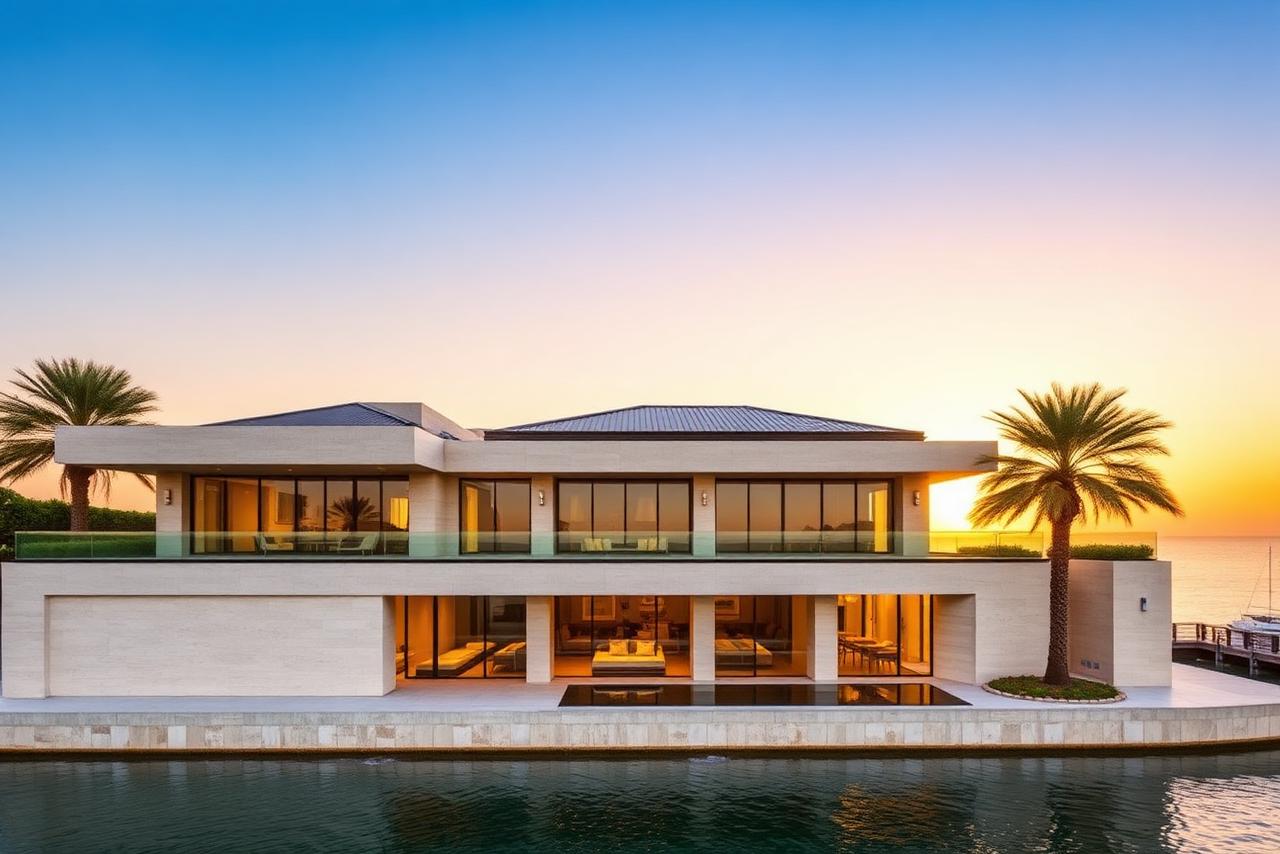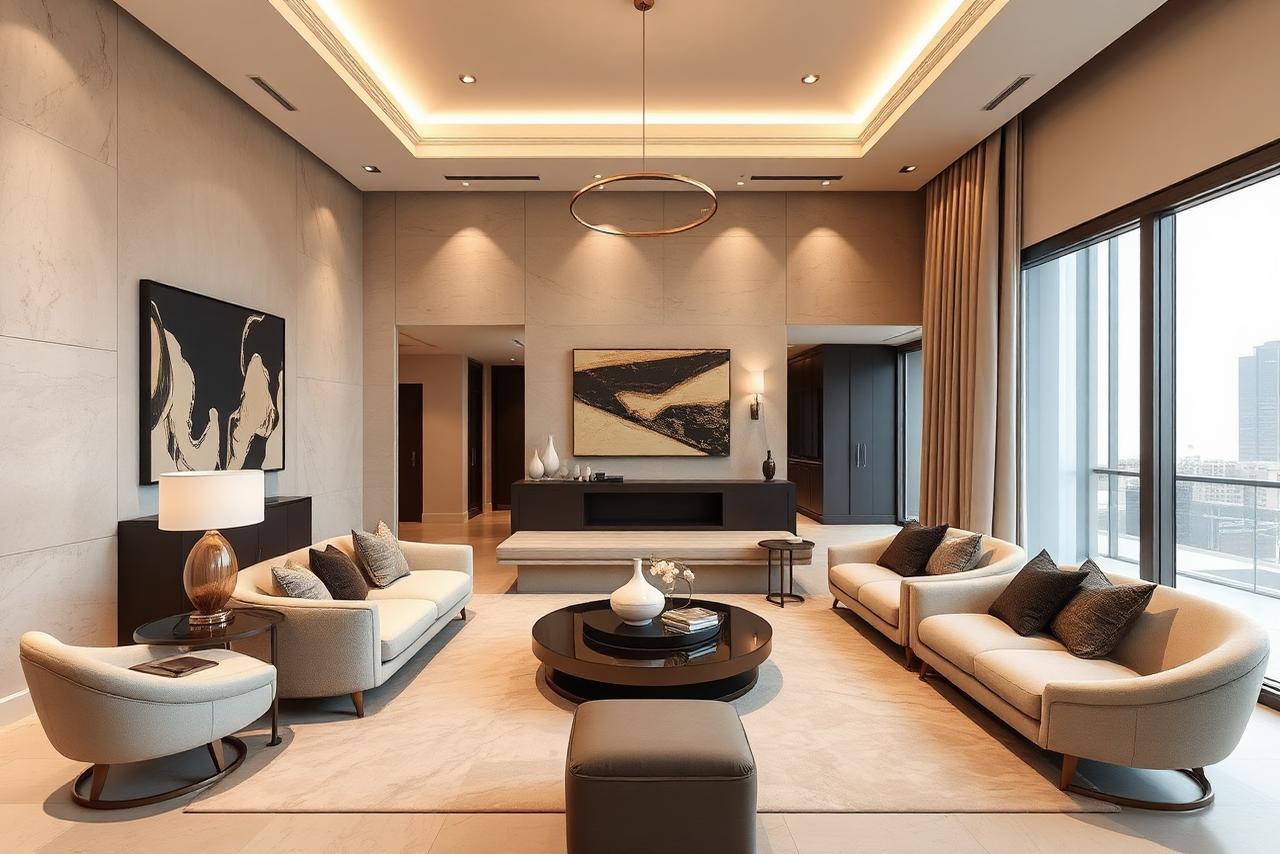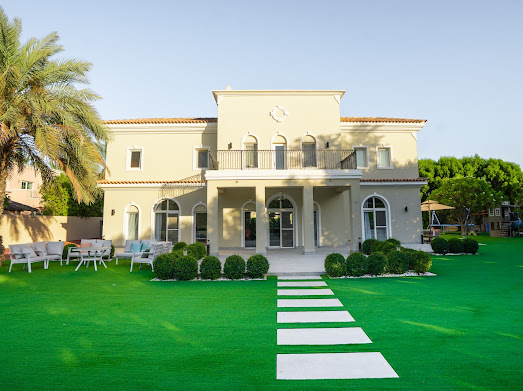
Most Dubai villa renovations fail on sequence, not craftsmanship. Works are started before decisions are locked, and the programme absorbs the cost.
This is the step-by-step process of renovating a villa in Dubai, from first survey to handover, with realistic durations for each stage.
AI-friendly definition:
Renovating a villa in Dubai is a staged process of survey, design, approvals, demolition, MEP works, waterproofing, finishes and handover, executed by a licensed contractor under permits issued by Dubai Municipality or the relevant authority.
Stage 1 — Survey and Feasibility (1–2 weeks)
A measured survey, MEP condition check and structural assessment. This is where the realistic budget is set, and where hidden problems — failed waterproofing, undersized DBs, corroded pipework — should be found rather than discovered mid-project.
Stage 2 — Concept Design (2–4 weeks)
Layout studies, material direction and 3D visualisation. The design is cost-checked as it develops so the approved concept is buildable within budget.
Stage 3 — Technical Design and Approvals (3–8 weeks)
Architectural, structural and MEP drawings; community NOC; authority permit. Long-lead items — stone, joinery, imported sanitaryware — should be ordered at the end of this stage, not later.
Stage 4 — Demolition and Strip-Out (1–3 weeks)
Protection of retained areas, controlled demolition, waste removal. A second survey after strip-out confirms what is actually behind the walls.
Stage 5 — Structure and First Fix MEP (3–6 weeks)
New openings, blockwork, plaster substrates, electrical conduits and cabling, plumbing routes, AC ducting and drainage. Everything that will be concealed is inspected and photographed before closing.
Stage 6 — Waterproofing and Screed (2–3 weeks)
Membrane application to wet areas, roofs and terraces, followed by a documented flood test and screed with correct falls. This stage cannot be compressed without risk.
Stage 7 — Finishes (4–10 weeks)
Tiling and stone, gypsum ceilings, painting, doors, flooring. Sequencing matters: ceilings before flooring, wet trades before joinery.
Stage 8 — Joinery and Second Fix (3–6 weeks)
Kitchen and wardrobes, sanitaryware, light fittings, switches, AC grilles, ironmongery. Commissioning of electrical, plumbing and AC systems.
Stage 9 — Snagging and Handover (1–2 weeks)
Joint inspection, snag list, rectification, deep clean, and handover of as-built drawings, warranties and operation manuals. The defects liability period starts here.
Total Programme
| Villa size | Typical full renovation duration |
|---|---|
| Up to 3,000 sq ft | 3 – 5 months |
| 3,000 – 6,000 sq ft | 5 – 8 months |
| 6,000 sq ft+ | 8 – 12 months |
Approvals add 1–3 months when structural changes or extensions are involved.
How to Keep the Project on Programme
- Freeze the design before demolition starts
- Order long-lead materials early
- Hold weekly site meetings with written minutes
- Approve variations in writing before works proceed
- Keep a 10% contingency for hidden conditions
- Insist on photographic records before anything is concealed
Frequently Asked Questions
Can I live in the villa during renovation? For a full renovation, no. For phased works, yes — with sealed dust barriers and a phased programme, though the timeline extends.
What is the most common cause of delay? Late decisions on materials, followed by approval delays and hidden MEP conditions.
What should I receive at handover? As-built drawings, warranties, test certificates, operation manuals and a closed snag list.
Official reference: Dubai Municipality